
The short answer is: gluten-free bread can be a healthier choice for some people, but “gluten-free” does not automatically mean healthier for everyone.
The nutritional value of any bread depends on the ingredients, fiber, sugar, sodium, portion size, and how the bread fits into your overall diet.
Who Benefits From Gluten-Free Bread?
Gluten-free bread is especially important for people who have:
Celiac disease
Non-celiac gluten sensitivity
A wheat allergy
A medical condition for which a healthcare professional recommends avoiding gluten
Gluten is a protein naturally found in wheat, barley, and rye. For someone with celiac disease, eating gluten triggers an immune reaction that damages the small intestine and can prevent the body from absorbing nutrients properly.
According to the National Institute of Diabetes and Digestive and Kidney Diseases, following a strict gluten-free diet can relieve symptoms and help the small intestine heal in people with celiac disease.
For these individuals, gluten-free bread is not simply a lifestyle preference—it is an essential part of protecting their health. At Gluten Free Things, we believe people who need gluten free options should never have to compromise on taste or quality.
Is Gluten-Free Bread Better for Digestion?
Some people report less bloating, abdominal discomfort, fatigue, or digestive upset after removing gluten from their diets. This may be particularly noticeable for people with celiac disease or gluten sensitivity.
However, digestive symptoms can have many different causes. If eating bread repeatedly causes discomfort, speak with a healthcare professional before eliminating gluten. Testing for celiac disease is most accurate while you are still eating gluten.
Is Gluten-Free Bread Better for Everyone?
Not necessarily.
The NIDDK explains that there is no evidence that a gluten-free diet automatically improves health or promotes weight loss in people who do not have a gluten-related medical condition.
Some commercially produced gluten-free breads may contain:
Lower Fiber Content
Added sugar
Higher fat levels
Refined starches
Additives or preservatives
Meanwhile Regular whole-grain bread can provide fiber, B vitamins, iron, and other essential nutrients. For people who tolerate gluten, a high quality whole-grain bread may actually be the more nutrient-dense option.
The key question isn’t simply, “Is it gluten-free?” “What ingredient are used, and how nutritous is it overall?”
What Makes a Gluten-Free Bread a Healthier Choice?
1. Quality Ingredients
Choose breads made with recognizable, minimally processed gluten-free ingredients. At Gluten Free Things, our products are NON_GMO and carefully crafted with quality in mind.
2. Fiber
Fiber supports digestion and helps you feel full longer. Many gluten-free breads are lower in fiber, so comparing brands is essential.
3. Added Sugar
Some gluten-free breads include added sugars to improve texture and flavor. Always check the label.
At Gluten Free Things, we use vegan-verified, non-GMO sugar that is free from animal bone char and designed to be more digestible with a lower glycemic impact.
4. Sodium
Bread can be a hidden source of sodium. Comparing labels helps you choose an option that fits your dietary needs.
5. Additional Dietary Needs
Many people who avoid gluten also avoid other allergens such as dairy, eggs, soy, corn, or nuts. Always read ingredient list carefully. Gluten Free Things, I free of the top 6 allergen’s. (dairy, gluten, corn, soy, nuts, eggs).
Does Gluten-Free Bread Help With Weight Loss?
Avocado and vegetables
Nut or seed butter, if appropriate for your diet
Hummus and sliced cucumber
A plant-based protein and fresh greens
- A balanced breakfast sandwich
The Bottom Line
When comparing gluten-free bread vs regular bread, neither option is automatically healthier for everyone. Gluten-free bread is essential for people with celiac disease and beneficial for those with gluten sensitivity, while regular whole-grain bread may offer more nutrients for those who tolerate gluten.
Ultimately, the healthiest choice depends on ingredients, quality, and your individual nutritional needs-not just whether gluten is present.
At Gluten Free Things, we believe everyone deserves bread that fits their lifestyle without sacrificing flavor or comfort. Our gluten-free vegan breads are crafted to provide safe, delicious options for people with dietary restrictions.
What Makes a Gluten-Free Bread a Healthier Choice?
Explore our products available from Gluten Free Things.
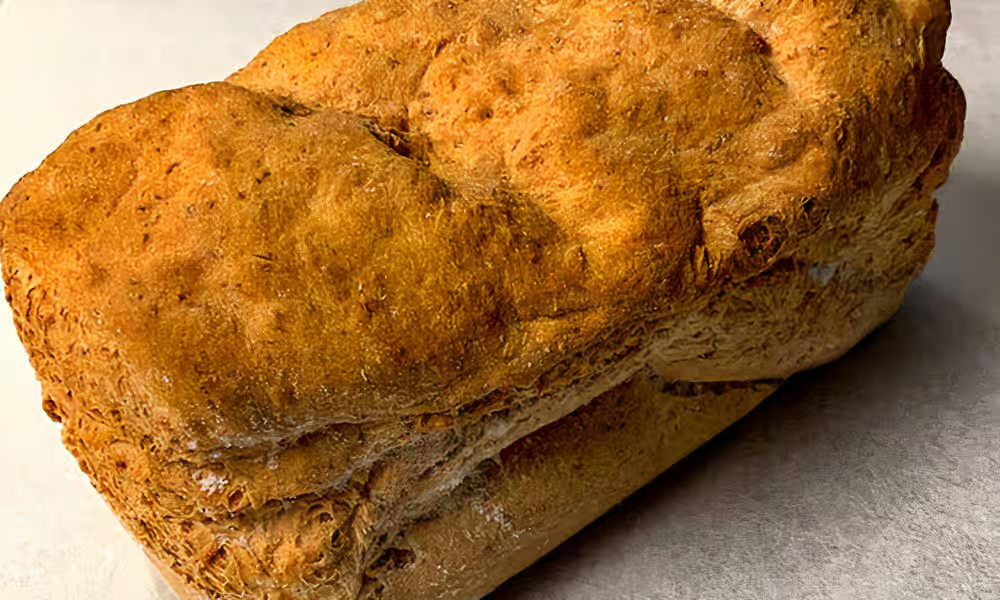
Deli Loaf
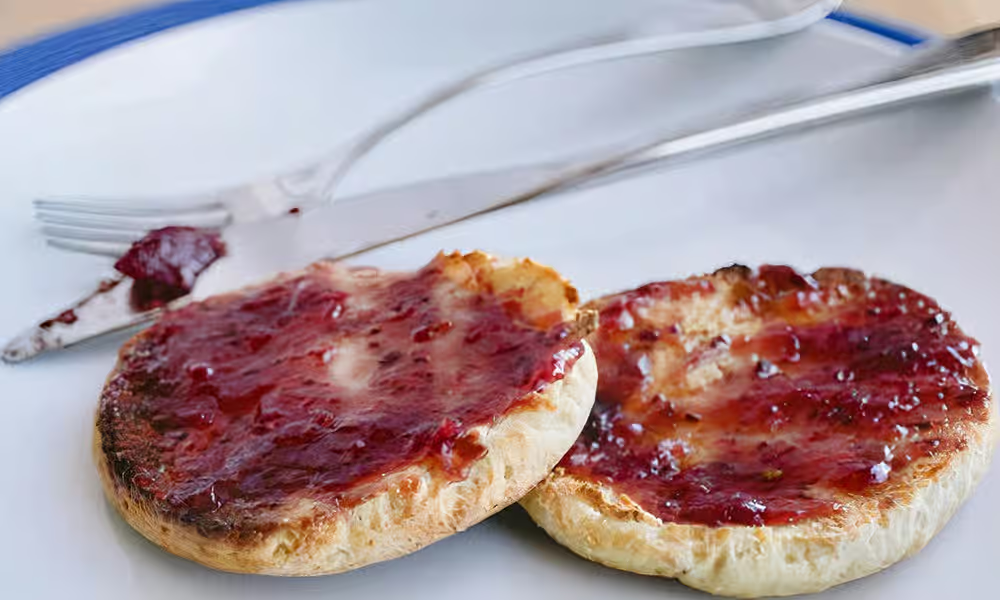
English Muffins
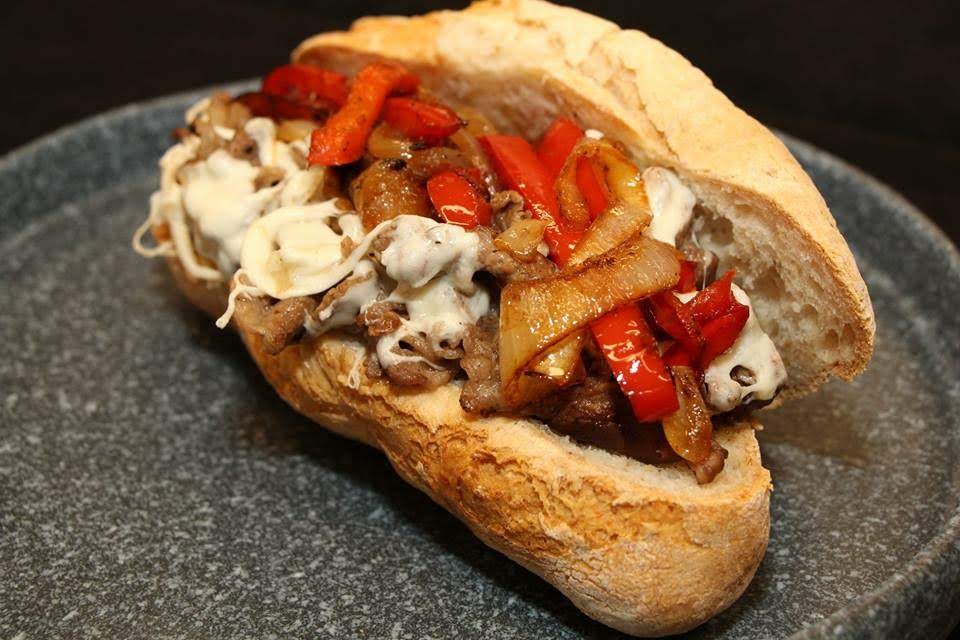
Hoagie Rolls

Hamburger Buns

Pita bread
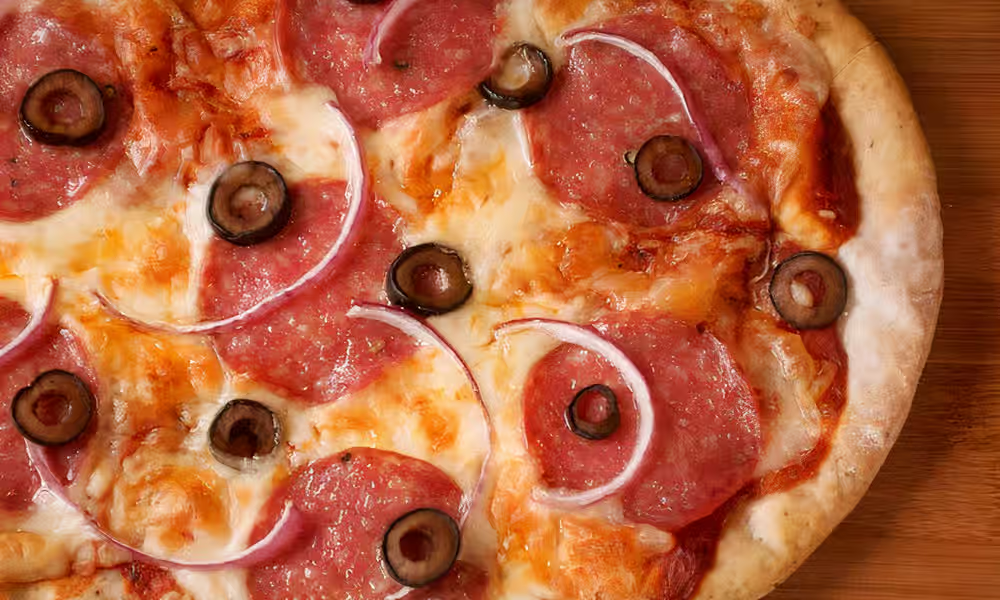
Pizza Crust

Bagels